The TP-Link Tri-Band BE9700 WiFi 7 Router review is most relevant to households ready to make use of Wi-Fi 7, a 6 GHz band, and multi-gig wired connections.
The Archer BE600 pairs those features with a claimed coverage area of up to 2,600 square feet, though real coverage depends on the home and router placement.
Archer BE600 Review Summary
The quick verdict
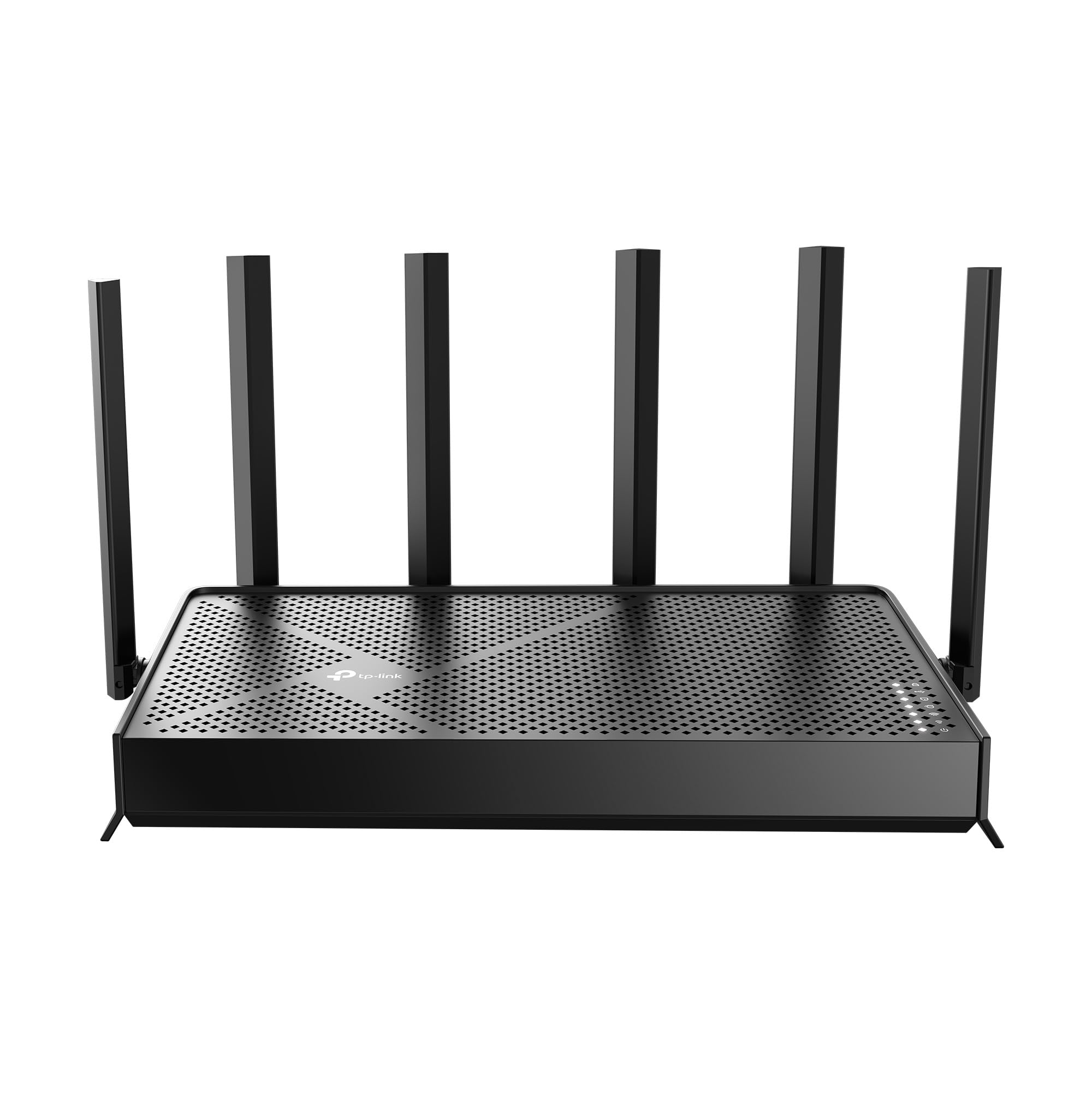
600+ ratings
Read Amazon ReviewsTP-Link Archer BE600
A strong fit for households with Wi-Fi 7 devices, multi-gig internet, and several wired devices that can use its faster ports.
- Tri-band Wi-Fi 7 with up to 5,765 Mbps on 6 GHz, 2,882 Mbps on 5 GHz, and 1,032 Mbps on 2.4 GHz.
- Wi-Fi 7 features include Multi-Link Operation, Multi-RUs, 4K-QAM, and channels up to 320 MHz.
- Six antennas and beamforming; the stated coverage is up to 2,600 square feet for up to 120 devices.
- Wired ports include one 10 Gbps WAN/LAN, one 2.5 Gbps WAN/LAN, and three 2.5 Gbps LAN connections.

Pros
- Tri-band Wi-Fi 7 includes a 6 GHz band and support for wide channels up to 320 MHz.
- A 10 Gbps port and four 2.5 Gbps ports provide a strong selection for multi-gig internet and wired devices.
Consider before buying
- The advertised wireless rates and coverage are maximums; walls, placement, interference, internet service, and device capabilities affect actual results.
- The 6 GHz band and wider Wi-Fi 7 features require compatible client devices to be useful.
Read the full review summary
The Archer BE600 is a seven-stream, tri-band Wi-Fi 7 router with advertised maximum link rates of 5,765 Mbps on 6 GHz, 2,882 Mbps on 5 GHz, and 1,032 Mbps on 2.4 GHz.
Its six antennas, beamforming, and Multi-Link Operation are designed for a network with newer client devices and multiple concurrent demands, while the 10 Gbps and 2.5 Gbps ports offer room for multi-gig internet and wired equipment.
It may suit a busy household with compatible Wi-Fi 7 devices, a multi-gig connection, or several devices that can benefit from faster-than-gigabit Ethernet.
The coverage and device figures are ceilings rather than guarantees; home layout, walls, interference, client support, and the internet plan all shape what users actually experience.
The buying factors
Archer BE600 Scorecard
Editorial scores reflect listed features and buyer fit; they are not laboratory measurements or customer ratings.
Wi-Fi generation and bands
Wi-Fi 7, three bands, and support for channels up to 320 MHz provide a broad feature set for compatible clients.
Multi-gig wired flexibility
One 10 Gbps WAN/LAN port, one 2.5 Gbps WAN/LAN port, and three 2.5 Gbps LAN ports allow several faster-than-gigabit wired connections.
Coverage potential
Six antennas, beamforming, and a stated coverage ceiling of up to 2,600 square feet make coverage a priority, subject to home conditions.
Device capacity claim
The product is specified for up to 120 devices, a useful capacity target for a device-rich home, but not a promise of uniform performance under every load.
Network management and protection
Tether app and web setup, HomeShield features, and VPN client and server support cover several common management needs.
Value for a Wi-Fi 7 upgrade
The feature set is substantial, but it is most useful when the household can take advantage of the newer wireless and multi-gig capabilities.
Key Features and Specifications of Archer BE600
- Tri-band Wi-Fi 7 with up to 5,765 Mbps on 6 GHz, 2,882 Mbps on 5 GHz, and 1,032 Mbps on 2.4 GHz.
- Wi-Fi 7 features include Multi-Link Operation, Multi-RUs, 4K-QAM, and channels up to 320 MHz.
- Six antennas and beamforming; the stated coverage is up to 2,600 square feet for up to 120 devices.
- Wired ports include one 10 Gbps WAN/LAN, one 2.5 Gbps WAN/LAN, and three 2.5 Gbps LAN connections.
- Tether app for Android or iOS and a web interface for setup and network management.
- HomeShield network protection, parental controls, and IoT security features, plus VPN client and server support.
Pros and Cons of Archer BE600
Pros
- Tri-band Wi-Fi 7 includes a 6 GHz band and support for wide channels up to 320 MHz.
- A 10 Gbps port and four 2.5 Gbps ports provide a strong selection for multi-gig internet and wired devices.
- Six antennas, beamforming, and a stated coverage area of up to 2,600 square feet target larger or device-heavy homes.
- VPN client and server functions can help households that want VPN access managed at the router level.
- Setup and ongoing management are available through either the Tether app or a web interface.
Consider before buying
- The advertised wireless rates and coverage are maximums; walls, placement, interference, internet service, and device capabilities affect actual results.
- The 6 GHz band and wider Wi-Fi 7 features require compatible client devices to be useful.
- Its many multi-gig ports may be unnecessary for households with gigabit-or-slower service and few wired devices.
Who Should Buy Archer BE600?
Good fit
Consider the Archer BE600 if your internet service or local network can use multi-gig speeds and you need several faster wired connections.
The 10 Gbps WAN/LAN port gives flexibility for a compatible modem or network connection, while three additional 2.5 Gbps LAN ports can serve devices such as a desktop, network storage, or other multi-gig equipment.
It is also worth considering when Wi-Fi 7 devices are already part of the household or are a near-term upgrade.
The 6 GHz band, Multi-Link Operation, and support for channels up to 320 MHz give compatible clients more of the newer standard’s feature set. Check your device specifications and internet plan first so those capabilities match your setup.
The router’s stated coverage and device limits could appeal to a larger or connected home, and HomeShield, parental controls, VPN functions, and app or web management broaden its use.
Treat the coverage and capacity figures as planning guidance: placement and the home’s construction can change how much coverage one router provides.
Who should skip it
Skip this model if your priority is simply replacing a basic router for a modest internet plan and you have no Wi-Fi 7 clients or multi-gig wired equipment.
In that setup, several of its headline features may go unused; compare the ports and wireless bands you actually need before choosing.
If you need reliable wireless coverage across multiple floors or separated areas, do not assume a single router will cover every room just because the stated maximum area appears sufficient.
Map the router’s intended location and test coverage in the rooms that matter; consider a mesh-capable setup if one access point does not reach them.
How the Archer BE600’s Wi-Fi 7 Features Fit a Home Network
Tri-band Wi-Fi 7 and compatible clients
Three bands give the router separate 2.4, 5, and 6 GHz options, and Wi-Fi 7 tools such as Multi-Link Operation and channels up to 320 MHz are aimed at compatible newer devices.
These capabilities do not raise the speed of an older client by themselves, so a buyer upgrading only the router should check which of their important devices support Wi-Fi 7 and 6 GHz.
Multi-gig ports for internet and local devices
The port layout is a notable part of the design: the 10 Gbps and 2.5 Gbps WAN/LAN ports allow flexible uplink use, and three 2.5 Gbps LAN ports provide multiple faster wired connections.
To use those speeds end to end, the modem or upstream connection, router configuration, Ethernet cabling, and connected devices all need to support the relevant rate.
Coverage claims and placement
The six antennas and beamforming are intended to direct wireless signals toward connected devices, while the stated maximum is up to 2,600 square feet and 120 devices.
These figures describe an upper target, not guaranteed room-by-room coverage or equal throughput; place the router centrally where practical and judge suitability by the building’s layout, materials, and the locations of high-demand devices.
Management, security, and VPN use
The Tether app and web interface provide two ways to set up and manage the network.
HomeShield includes network protection, parental controls, and IoT security features, while VPN client and server support can centralize some VPN use; buyers who depend on a particular VPN provider or feature should confirm its compatibility and any service requirements before relying on it.
Alternatives to Archer BE600
Computer Routers alternative
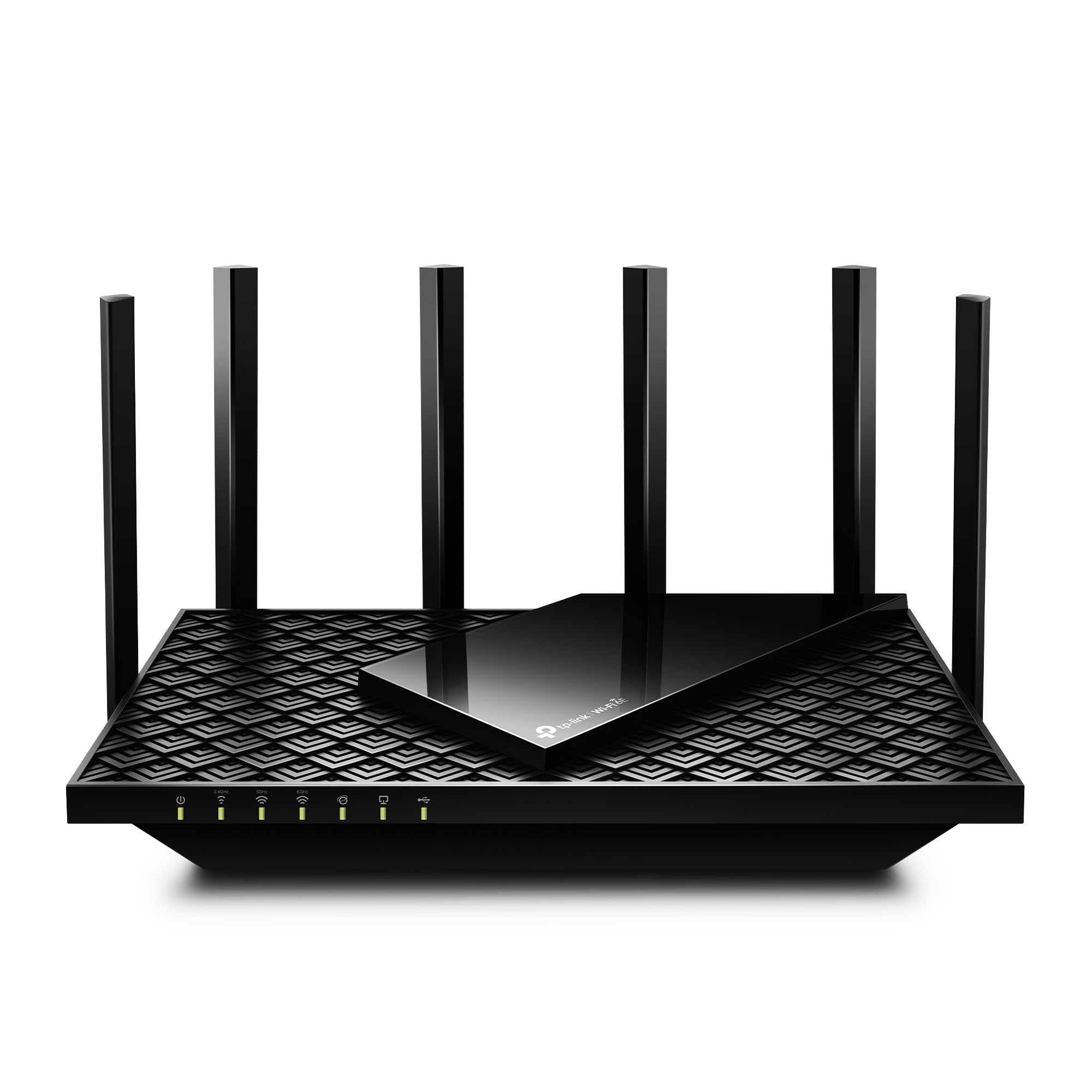
5,000+ ratings
Read Amazon ReviewsTP-Link Archer AXE75
Choose the Archer BE600 if Wi-Fi 7 features and multiple multi-gig wired connections matter to your setup.
The AXE75 is a better fit to compare if Wi-Fi 6E meets your needs and OneMesh extender support is the more relevant feature.
- The Archer AXE75 is a tri-band Wi-Fi 6E router with up to 5,400 Mbps combined wireless rates, a 6 GHz band, a 2.5 Gbps WAN port, and OneMesh support with a compatible extender.
- The Archer BE600 offers Wi-Fi 7 tri-band networking with a 6 GHz band, channels up to 320 MHz, and several multi-gig ports.
Computer Routers alternative
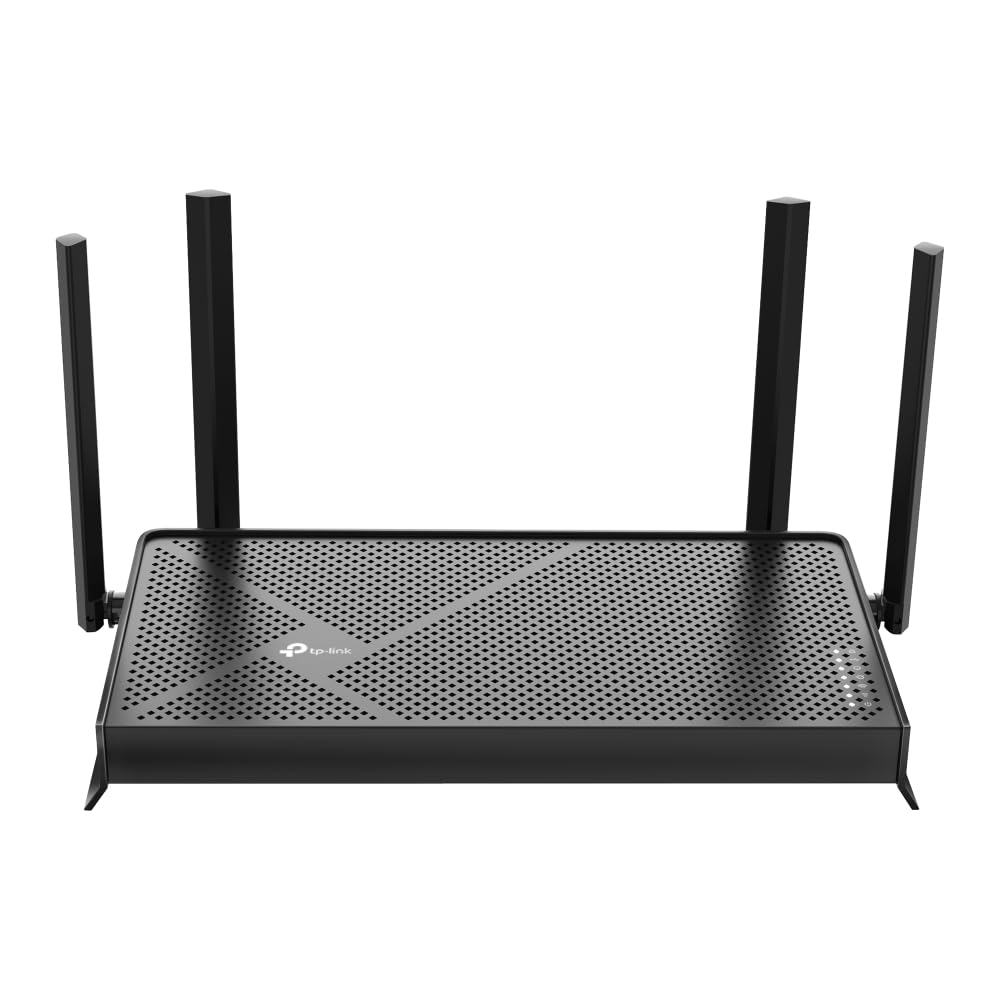
1,000+ ratings
Read Amazon ReviewsTP-Link Archer BE230
Choose the Archer BE600 if you need a 6 GHz band or more than two multi-gig wired connections.
The BE230 may be a closer fit if dual-band Wi-Fi 7 and EasyMesh support meet your needs and you do not need the BE600’s larger port selection.
- The Archer BE230 is a dual-band Wi-Fi 7 router with up to 2,882 Mbps on 5 GHz and 688 Mbps on 2.4 GHz, two 2.5 Gbps ports, three 1 Gbps LAN ports, and EasyMesh support.
- The Archer BE600 has three wireless bands, including 6 GHz, and more multi-gig port capacity for wired devices.
Is Archer BE600 Worth It?
The TP-Link Archer BE600 is worth considering for a connected home that can use Wi-Fi 7, 6 GHz, and multi-gig Ethernet.
Its combination of tri-band wireless, up to 320 MHz channels, and five multi-gig ports makes it especially relevant when both wireless and wired equipment are due for an upgrade.
Before buying, confirm that your internet plan and important client devices can use the capabilities you want, and treat the coverage and speed figures as maximums shaped by your home.
If your network is mostly gigabit or slower and lacks Wi-Fi 7 clients, a simpler router may be a more sensible fit.
Your review at a glance
600+ ratings
Read Amazon ReviewsTP-Link Archer BE600
A strong fit for households with Wi-Fi 7 devices, multi-gig internet, and several wired devices that can use its faster ports.
- Tri-band Wi-Fi 7 with up to 5,765 Mbps on 6 GHz, 2,882 Mbps on 5 GHz, and 1,032 Mbps on 2.4 GHz.
- Wi-Fi 7 features include Multi-Link Operation, Multi-RUs, 4K-QAM, and channels up to 320 MHz.
- Six antennas and beamforming; the stated coverage is up to 2,600 square feet for up to 120 devices.
- Wired ports include one 10 Gbps WAN/LAN, one 2.5 Gbps WAN/LAN, and three 2.5 Gbps LAN connections.