The TP-Link Archer BE230 brings Wi-Fi 7 features and two 2.5 Gbps ports to a dual-band home router, with a design aimed at everyday streaming, gaming, and connected devices.
This tp link be3600 review looks at where its port mix, coverage guidance, and EasyMesh support make sense—and where a dual-band layout may not match every upgrade plan.
Archer BE230 Review Summary
The quick verdict
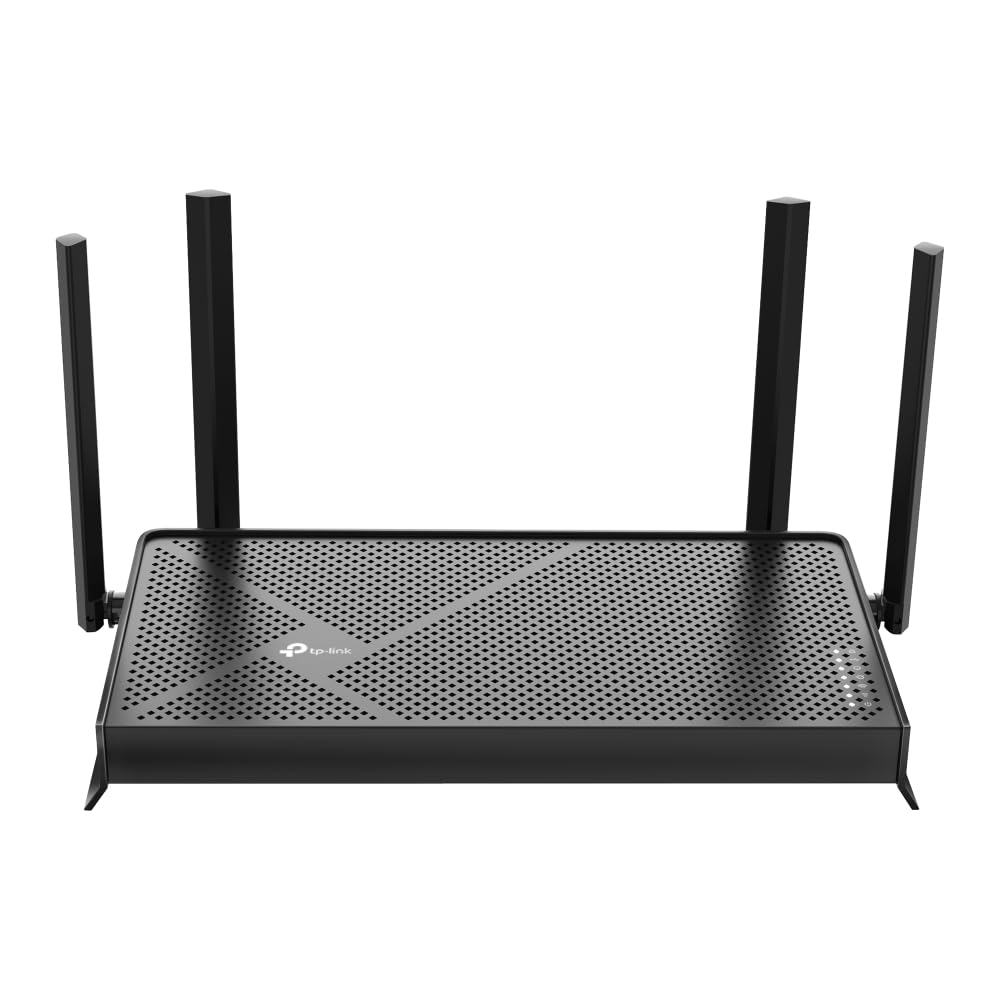
1,000+ ratings
Read Amazon ReviewsTP-Link Archer BE230
A dual-band Wi-Fi 7 router for households wanting multi-gig wired ports, app-based setup, and a path to expandable whole-home coverage.
- Dual-band Wi-Fi 7 with up to 2,882 Mbps on 5 GHz and 688 Mbps on 2.4 GHz; 6 GHz is not supported.
- Wi-Fi 7 capabilities include Multi-Link Operation, Multi-RUs, and 4K-QAM.
- One 2.5 Gbps WAN/LAN port, one 2.5 Gbps LAN port, and three 1 Gbps LAN ports.
- Coverage is specified at up to 2,000 square feet for up to 60 devices; the design uses four internal antennas and beamforming.

Pros
- Wi-Fi 7 capabilities are paired with a practical dual-band configuration.
- Two 2.5 Gbps ports add useful flexibility for a faster internet connection and a wired device.
Consider before buying
- The dual-band design does not include a 6 GHz band, which may matter to buyers seeking all three Wi-Fi bands.
- Coverage and device figures are maximums; walls, distance, client capability, and network conditions affect actual results.
Read the full review summary
The Archer BE230 pairs Wi-Fi 7 tools such as Multi-Link Operation, Multi-RUs, and 4K-QAM with a stated maximum of 2,882 Mbps on 5 GHz and 688 Mbps on 2.4 GHz.
It also has one 2.5 Gbps WAN/LAN port, a separate 2.5 Gbps LAN port, three 1 Gbps LAN ports, and a USB 3.0 port listed in the model title.
That makes it an interesting fit for buyers who want newer wireless features and a flexible wired connection layout without moving to a tri-band router.
TP-Link gives a coverage estimate of up to 2,000 square feet and up to 60 devices, and describes four internal antennas with beamforming. EasyMesh compatibility offers an expansion route with supported routers and range extenders.
The Tether app handles setup and management, while HomeShield features are positioned around network protection, parental controls, and IoT security.
Buyers should match the router to their home's layout, internet plan, and client devices; the maximum figures are not a promise of uniform speed in every room.
The buying factors
Archer BE230 Scorecard
Editorial scores reflect listed features and buyer fit; they are not laboratory measurements or customer ratings.
Wi-Fi 7 feature set
Includes Multi-Link Operation, Multi-RUs, and 4K-QAM, although this is a dual-band design without 6 GHz.
Wired port flexibility
Two 2.5 Gbps ports and three 1 Gbps LAN ports give useful options for a multi-gig connection and wired devices.
Coverage planning
The stated up-to-2,000-square-foot coverage and EasyMesh support offer a clear starting point, but real coverage depends on the home.
Device capacity positioning
The product is specified for up to 60 devices, a useful reference for connected households rather than a guarantee of performance under every workload.
Setup and management
The Tether app is provided for setup, management, and firmware updates, with voice assistant compatibility also listed.
Upgrade flexibility
Wi-Fi 7 and multi-gig ports provide modern options, while the dual-band design may be limiting for buyers specifically seeking 6 GHz.
Key Features and Specifications of Archer BE230
- Dual-band Wi-Fi 7 with up to 2,882 Mbps on 5 GHz and 688 Mbps on 2.4 GHz; 6 GHz is not supported.
- Wi-Fi 7 capabilities include Multi-Link Operation, Multi-RUs, and 4K-QAM.
- One 2.5 Gbps WAN/LAN port, one 2.5 Gbps LAN port, and three 1 Gbps LAN ports.
- Coverage is specified at up to 2,000 square feet for up to 60 devices; the design uses four internal antennas and beamforming.
- EasyMesh compatibility supports expansion with compatible routers and range extenders.
- Tether app setup and management, HomeShield network features, voice control compatibility with Alexa and Google Assistant, and a USB 3.0 port listed in the model title.
Pros and Cons of Archer BE230
Pros
- Wi-Fi 7 capabilities are paired with a practical dual-band configuration.
- Two 2.5 Gbps ports add useful flexibility for a faster internet connection and a wired device.
- Three additional Gigabit LAN ports support several wired connections.
- EasyMesh gives buyers an option to expand coverage with compatible equipment.
- App-based setup and firmware management help keep routine administration accessible.
Consider before buying
- The dual-band design does not include a 6 GHz band, which may matter to buyers seeking all three Wi-Fi bands.
- Coverage and device figures are maximums; walls, distance, client capability, and network conditions affect actual results.
- A separate modem is required for most internet providers, so buyers should check their existing equipment and service setup.
Who Should Buy Archer BE230?
Good fit
Consider the Archer BE230 if you want a Wi-Fi 7 router with multi-gig wired options and a straightforward upgrade path from an older home router.
Its mix of two 2.5 Gbps ports and three Gigabit LAN ports is especially useful when some devices connect by cable and others rely on Wi-Fi.
It is also worth considering for a home where the stated coverage range is a reasonable match, with EasyMesh available if compatible expansion equipment is needed later.
Check your internet plan, modem arrangement, and the Wi-Fi capabilities of your most-used devices before buying; those details determine how much of the router's newer feature set you can use.
Who should skip it
Look elsewhere if access to a 6 GHz band is a firm requirement. This model is dual-band, so it does not provide that band.
Consider your layout carefully if you need dependable coverage across a large or unusually shaped home. Use the coverage estimate as a planning guide and check whether compatible EasyMesh equipment would fit your expansion needs.
How the Archer BE230 Fits a Wi-Fi 7 Home
Dual-band Wi-Fi 7 in practice
The Archer BE230 combines Wi-Fi 7 features with 5 GHz and 2.4 GHz bands, and its stated maximum wireless rates are split across those bands.
Multi-Link Operation, Multi-RUs, and 4K-QAM are part of its feature set, but the dual-band layout leaves out 6 GHz.
Buyers should check whether their devices support the relevant Wi-Fi capabilities and whether 6 GHz is part of their specific upgrade goal.
Two faster wired ports
One 2.5 Gbps port can serve as WAN or LAN, while another is designated for LAN; three more LAN ports run at 1 Gbps.
This gives the router a useful mix for a multi-gig internet connection alongside wired computers, consoles, or other network equipment. Check the port requirements of your modem and devices to confirm the arrangement fits your setup.
Coverage and mesh expansion
The product's coverage guidance is up to 2,000 square feet for up to 60 devices, with four internal antennas and beamforming.
These figures help frame the intended scale, but home construction, router placement, distance, and simultaneous activity all affect the experience.
EasyMesh compatibility gives buyers an expansion option using compatible routers or range extenders if one router does not suit the whole layout.
App, security, and connected-home tools
The Tether app is the stated route for setup, network management, and firmware updates. HomeShield is described as providing network protection, parental controls, and IoT security, while Alexa and Google Assistant compatibility allows voice commands.
Buyers who rely on specific control or security features should check that those features fit their preferred way of managing a home network.
Alternatives to Archer BE230
Computer Routers alternative
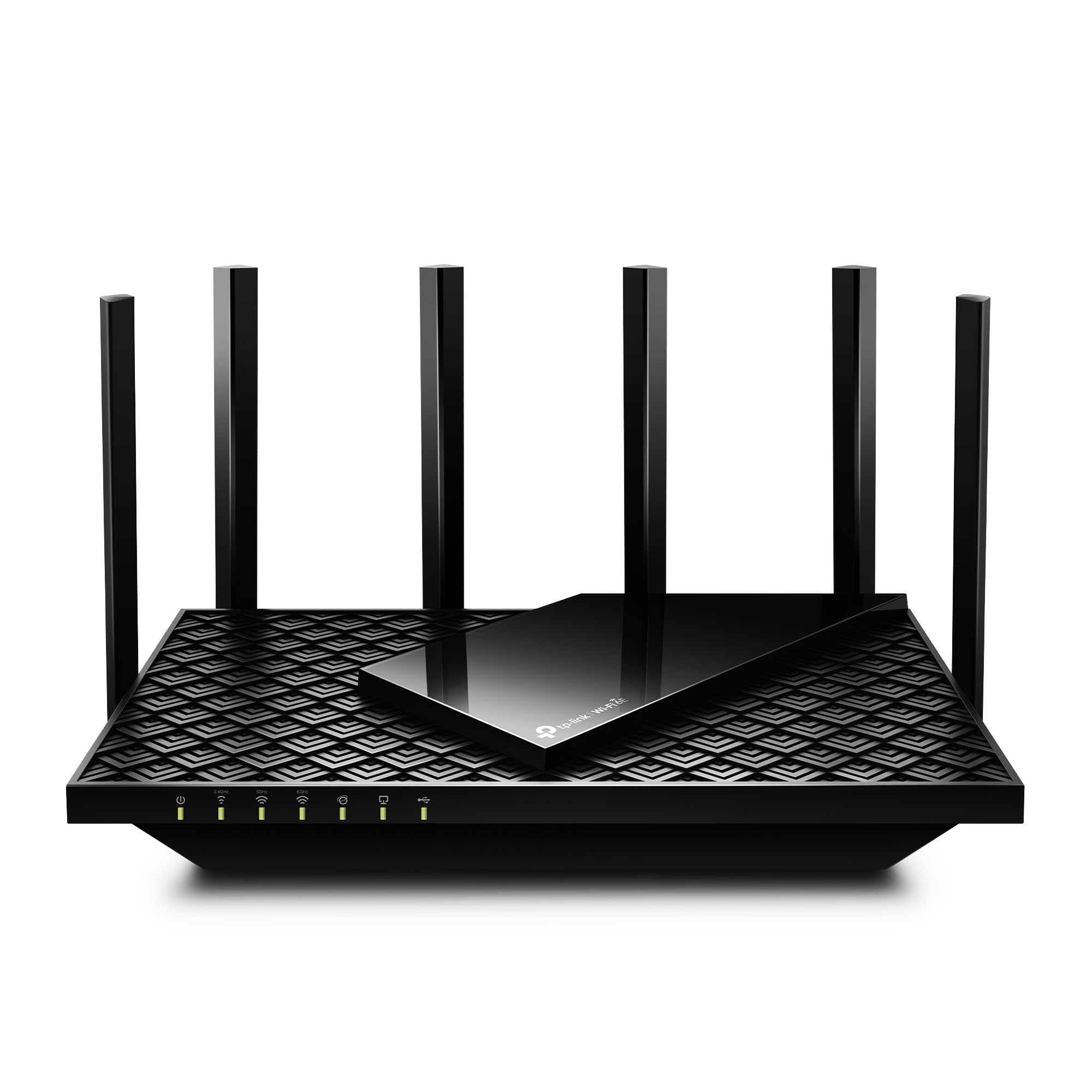
5,000+ ratings
Read Amazon ReviewsTP-Link Archer AXE75
Choose the BE230 if Wi-Fi 7 features and two 2.5 Gbps ports better match your upgrade priorities. The AXE75 is a more relevant fit if adding a 6 GHz band is the key requirement.
- The Archer AXE75 is a tri-band Wi-Fi 6E router with a 6 GHz band, a 2.5 Gbps WAN port, and OneMesh support with a compatible extender.
- The Archer BE230 is a dual-band Wi-Fi 7 router with two 2.5 Gbps ports and three 1 Gbps LAN ports, but it does not support 6 GHz.
Computer Routers alternative
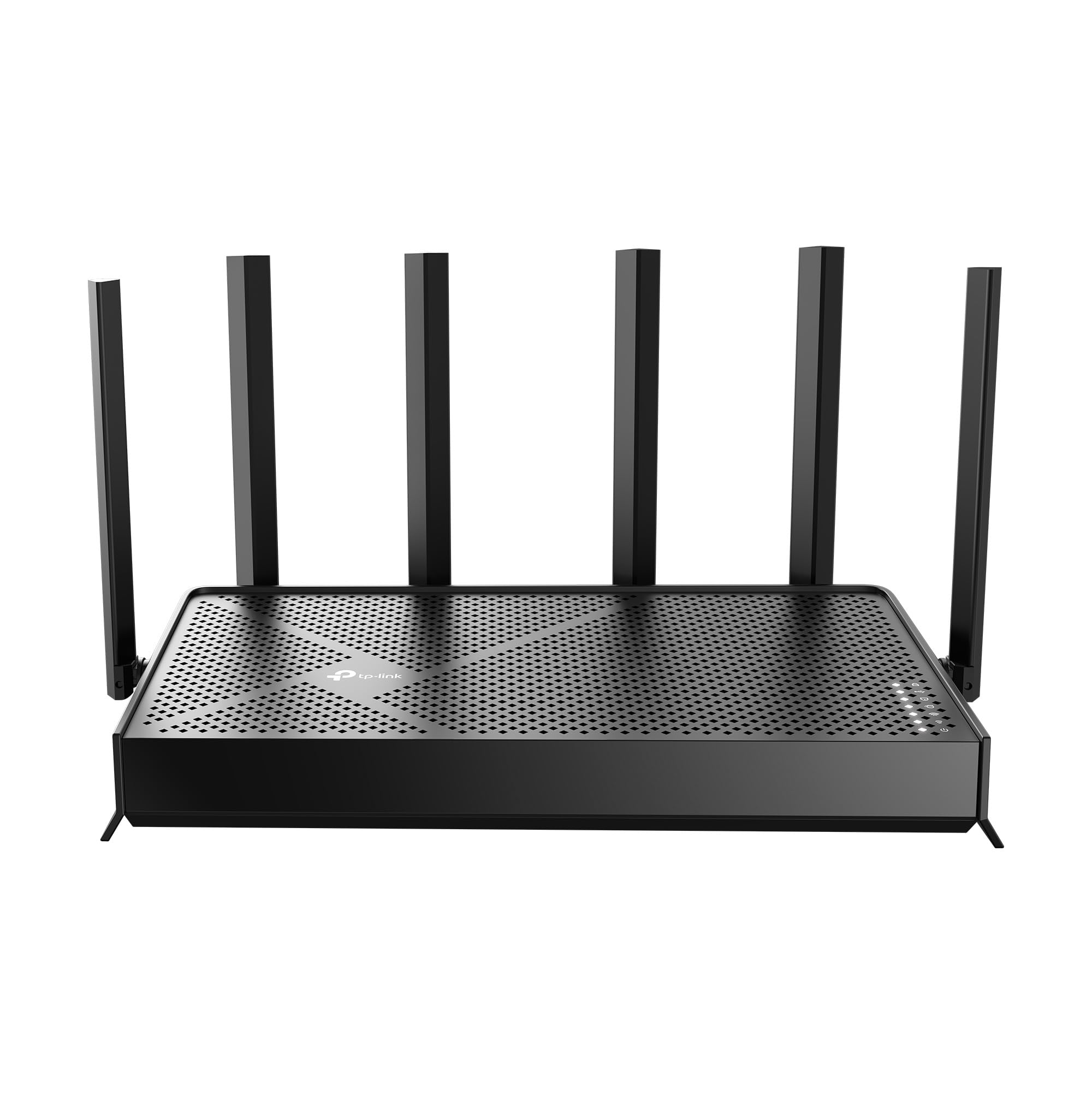
600+ ratings
Read Amazon ReviewsTP-Link Archer BE600
The BE600 is the stronger fit if you want tri-band Wi-Fi 7, more multi-gig LAN connections, or the larger stated coverage and device figures. The BE230 suits a simpler dual-band setup where its port mix is sufficient.
- The Archer BE600 is a tri-band Wi-Fi 7 router with a 10 Gbps port, a 2.5 Gbps WAN/LAN port, three 2.5 Gbps LAN ports, and stated coverage up to 2,600 square feet for up to 120 devices.
- The Archer BE230 is dual-band and is specified for up to 2,000 square feet and up to 60 devices, with two 2.5 Gbps ports.
Is Archer BE230 Worth It?
The TP-Link Archer BE230 is worth considering for a home that wants Wi-Fi 7 features, two 2.5 Gbps ports, and a manageable route to mesh expansion.
Its mix of wireless and wired options makes it a versatile everyday router on paper.
Before buying, confirm that dual-band Wi-Fi meets your needs, that your modem and service match the port setup, and that the coverage estimate suits your floor plan.
Buyers who specifically want 6 GHz should choose a different design; otherwise, the BE230 presents a practical feature set for a measured home-network upgrade.
Your review at a glance
1,000+ ratings
Read Amazon ReviewsTP-Link Archer BE230
A dual-band Wi-Fi 7 router for households wanting multi-gig wired ports, app-based setup, and a path to expandable whole-home coverage.
- Dual-band Wi-Fi 7 with up to 2,882 Mbps on 5 GHz and 688 Mbps on 2.4 GHz; 6 GHz is not supported.
- Wi-Fi 7 capabilities include Multi-Link Operation, Multi-RUs, and 4K-QAM.
- One 2.5 Gbps WAN/LAN port, one 2.5 Gbps LAN port, and three 1 Gbps LAN ports.
- Coverage is specified at up to 2,000 square feet for up to 60 devices; the design uses four internal antennas and beamforming.